
The Dreyfus Case
An Officer and a SpyThis thread traces the wrongful conviction from secret accusation and public humiliation through exile, contested retrials, pardon, and eventual legal exoneration.
increasing Bearing strength in each event
 decreasing
Bearing strength in each eventdecreasingArrest in Secret
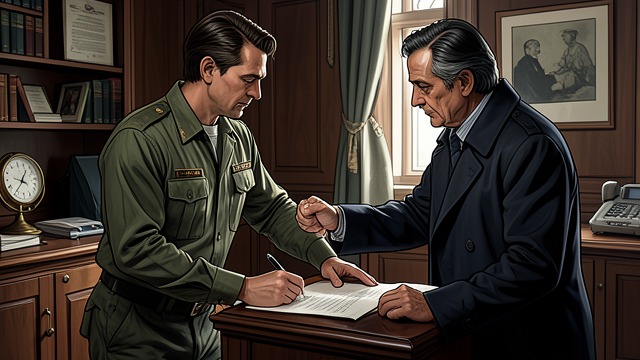
Arrest in Secret
A staged summons
Alfred Dreyfus is summoned to the Ministry of War in civilian clothes, where Armand du Paty de Clam orchestrates a handwriting test and sudden arrest.
Presumption becomes proof
The operation is designed around an expected confession. When Dreyfus denies guilt, the investigators treat his refusal as another reason to suspect him.
Closed Court
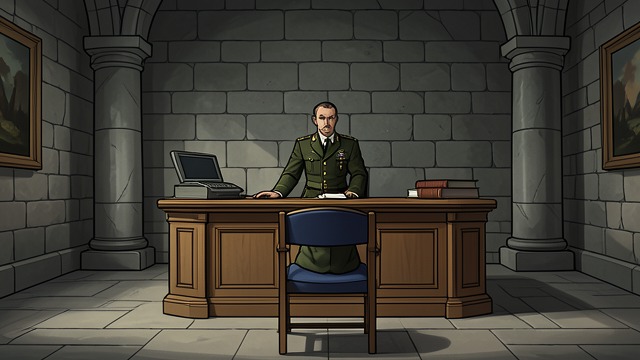
Closed Court
The public excluded
The military court closes Dreyfus’s trial to spectators on national-security grounds. His defense cannot examine the secret dossier that will influence the judges.
A verdict without scrutiny
The prosecution’s circumstantial case is strengthened by secret material and unreliable claims. The procedure makes meaningful challenge impossible while allowing the verdict to appear unanimous and authoritative.
The Island Prison

The Island Prison
Isolation as punishment
Alfred Dreyfus is deported to Devil’s Island, where guards prevent conversation and officials censor his letters to Lucie Dreyfus.
Suffering kept from view
The isolation, restricted movement, illness, and nightly restraints intensify his punishment beyond the sentence itself. His private appeals survive in files, but the system makes them difficult to hear.
Rennes Reconviction
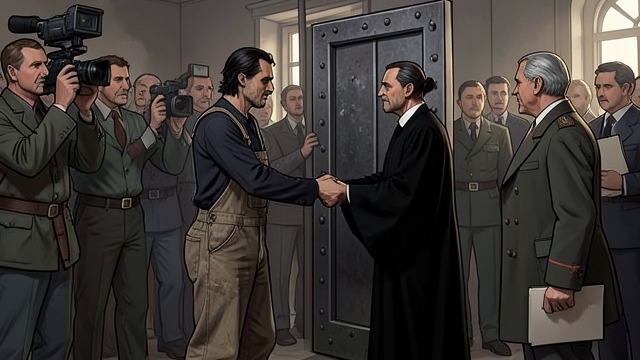
Rennes Reconviction
A public retrial
After the French Supreme Court of Appeal orders a new hearing, Alfred Dreyfus returns to France for the Rennes trial. The case is now watched by the press and public.
The verdict persists
Despite evidence exposing the prosecution’s weaknesses, the military court again finds Dreyfus guilty, reducing the sentence. The result demonstrates how deeply institutional loyalty has displaced reconsideration of the facts.
Final Exoneration
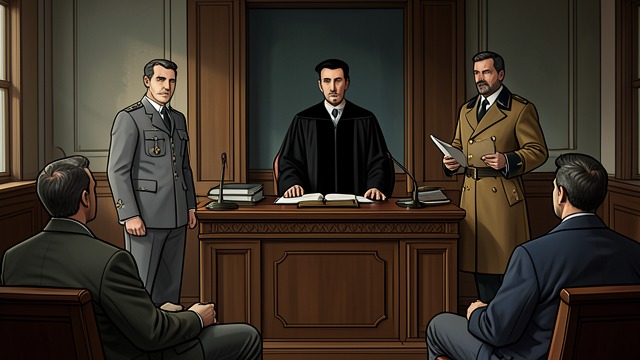
Final Exoneration
A long review
The André Inquiry and subsequent judicial review reopen the case after years of political struggle. The Court of Cassation examines the accumulated evidence and the earlier proceedings.
Judgment reversed
The court quashes the Rennes verdict and fully exonerates Alfred Dreyfus. The resolution vindicates the central claim Georges Picquart had risked his career to establish.
October 1894
December 1894
1895–1896
September 1899
12 July 1906
